What Pest Control KPIs Actually Matter (and Which Ones Don’t)
Discover the pest control KPIs that truly impact your business, improve operational reporting, and boost performance tracking for lasting growth.
The Only Pest Control KPIs Worth Tracking as an Owner
Running a pest control business is more than showing up at jobs, spraying treatments, and collecting payments. As a business owner, your time is limited, and your decisions need to be informed. That means knowing which pest control KPIs actually matter and which ones just create noise.
Many owners track dozens of metrics, from technician call times to social media likes, but few truly reflect the health and profitability of your business. The right business metrics give you clarity on operational performance, customer satisfaction, and revenue growth.
Here’s what you need to focus on.
Why KPIs Matter for Pest Control Business Owners
KPIs, or key performance indicators, are your dashboard for business health. Think of them like the gauges on a truck: the fuel gauge, the speedometer, and the engine temperature gauge. You do not need to monitor the tyre pressure on every wheel in real time, but you do need to know when something critical is off.
Tracking operational reporting through meaningful KPIs helps you:
- Identify profitable routes and recurring service opportunities.
- Reduce missed appointments and late arrivals.
- Monitor technician efficiency and job completion.
- Ensure compliance with local pest control regulations.
By focusing on the right KPIs, you can spot trends, make proactive decisions, and keep your team performing at its best.
The Pest Control KPIs That Actually Matter
Not all KPIs deliver actionable insights. Here are the ones worth tracking:
1. Revenue per Technician
Revenue per technician measures how much each field employee generates over a given period. This KPI highlights which technicians are most effective and where coaching may be needed.
Why it matters: It directly links technician performance to your bottom line.
Example: If Technician A completes more high-value commercial jobs than Technician B, you can optimise scheduling or assign more lucrative accounts to maximise profitability.
2. Job Completion Rate
This KPI tracks the percentage of scheduled jobs that are completed on time and without issues. Missed appointments are costly and hurt customer satisfaction.
Why it matters: A low completion rate signals operational inefficiencies or scheduling problems.
Tip: Using a solution like Formitize can help you track job completion digitally, send real-time updates, and reduce paperwork errors.
3. First-Time Fix Rate
The first-time fix rate measures the percentage of jobs resolved without requiring repeat visits.
Why it matters: Every return visit costs money and damages customer trust. Monitoring this KPI ensures your technicians have the right tools, training, and documentation.
4. Customer Retention & Satisfaction
Repeat business is the backbone of pest control. Track client retention rates, review scores, and satisfaction surveys.
Why it matters: Satisfied customers mean more recurring revenue, referrals, and reduced marketing spend.
Example: Tracking recurring service contracts digitally with Formitize ensures that reminders, compliance documentation, and follow-ups occur automatically.
5. Average Job Duration
Tracking how long it takes to complete a job helps optimise routes, staffing, and pricing.
Why it matters: Long jobs may indicate inefficiency, inadequate equipment, or training gaps. Short jobs might mean under-servicing clients.
KPIs That Don’t Matter (Much)
Some metrics create the illusion of insight but rarely influence decisions:
- Number of phone calls made: Quantity does not equal quality.
- Hours worked: Focus on output, not just time spent.
- Social media engagement: Nice to have, but not operationally critical.
- Employee attendance: Important but secondary to productivity and results.
Focusing on too many metrics can distract you from the KPIs that truly affect revenue, compliance, and efficiency.
How Technology Simplifies KPI Tracking
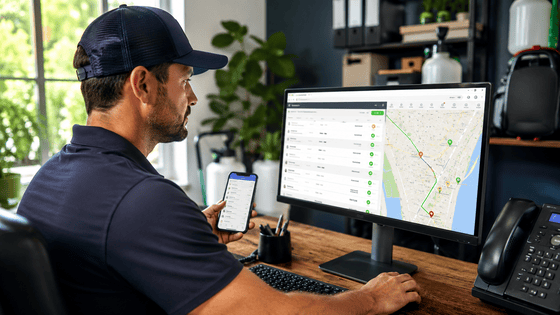
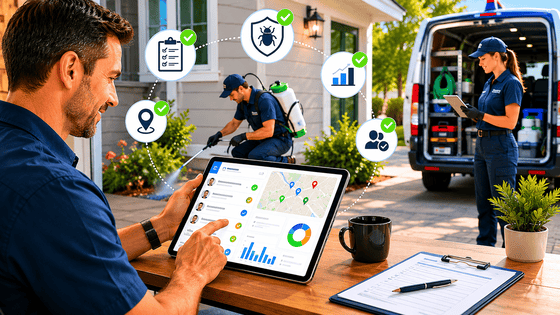
Modern pest control management software, like Formitize, transforms performance tracking and operational reporting:
- Digital forms and job logs automatically record job completion and first-time fix data.
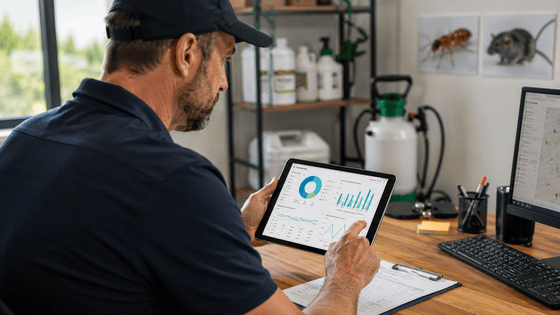
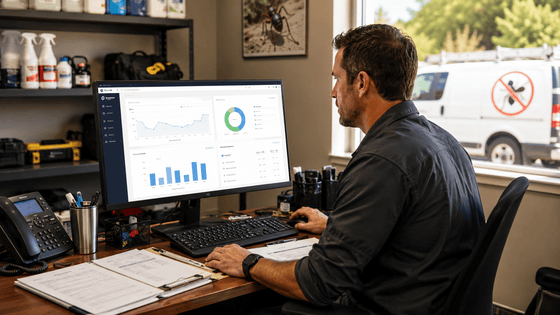
- Technician performance dashboards provide insights into revenue per technician.
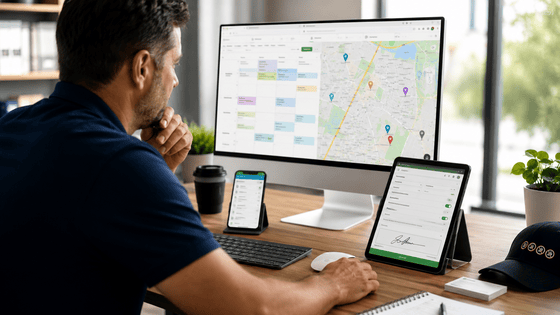
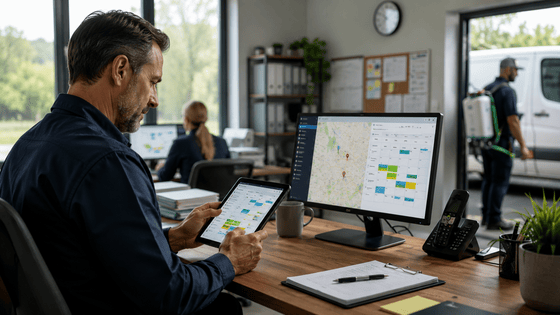
- Automated reminders and recurring job schedules boost customer retention.
- Compliance records are instantly accessible, reducing audit stress.
Using integrated software like Formitize can help you feel supported and confident, reducing manual effort and providing reliable, real-time insights to manage your business effectively.
Putting KPIs Into Action
Tracking KPIs is only half the battle. The real impact comes from acting on the data:
- Review your KPIs weekly: Keep dashboards simple and focus on the critical numbers.
- Identify trends early: Spot which routes, technicians, or service types perform best.
- Adjust operations: Reallocate resources, improve training, or adjust pricing.
- Celebrate wins: Recognise top-performing technicians and teams.
KPIs should guide decisions and empower you to act confidently, ensuring your business stays on track and adapts proactively to changing conditions.
Start Tracking the Right KPIs Today
By focusing on the pest control KPIs that truly matter, you gain clarity, save time, and boost profitability. Stop guessing and start using insights that drive tangible results.
Start a Free Trial of Formitize today to streamline your reporting, track technician performance, and keep your business running smoothly.