The Technician Accountability Framework (Without Micromanaging)
Learn how to build technician accountability in your pest control business without micromanaging. Improve performance tracking, morale, and team productivity.
How to Create Accountability Without Killing Morale
Running a pest control business often feels like balancing two competing priorities.
On one side, you need technicians to follow procedures, complete jobs properly, maintain compliance, and represent your brand professionally. On the other side, nobody wants to feel like they are being watched every second of the day.
That tension is where many pest control businesses struggle.
Too little oversight can lead to missed treatments, poor reporting, compliance risks, and unhappy customers. Too much oversight creates frustration, low morale, and technician burnout.
The good news is that technician accountability does not have to mean micromanagement. The most successful pest control businesses build systems that create clarity, consistency, and ownership without constantly hovering over their teams.
Here is how to create an accountability framework that improves performance while maintaining high morale.
Why Accountability Matters in Pest Control Management
In pest control, accountability affects more than productivity.
It directly impacts:
- Customer satisfaction;
- Regulatory compliance;
- Chemical handling documentation;
- Service consistency;
- Technician safety;
- Business reputation; and
- Revenue retention.
When technicians skip steps, fail to log information, or rush inspections, small mistakes can quickly become major liabilities.
A missing treatment record can create compliance headaches. An incomplete inspection can lead to repeat infestations. Poor communication can cost recurring contracts.
Strong pest control management systems help prevent these issues before they become expensive problems.
The key is to create accountability systems that support technicians rather than policing them.
The Problem With Micromanagement
Many business owners unintentionally create friction by relying on constant check-ins, endless phone calls, or manual oversight.
You have probably seen this happen before:
- Calling technicians repeatedly for status updates.
- Chasing paper forms at the end of every day.
- Double-checking every completed job manually.
- Constantly reminding staff about procedures.
- Reviewing incomplete reports after customers complain.
This approach creates stress on both sides.
Technicians feel distrusted, managers waste time chasing information, and business owners stay stuck in reactive mode instead of focusing on growth.
In reality, most technicians want to do a good job. What they need is:
- Clear expectations;
- Simple workflows;
- Transparent performance tracking;
- Fast communication; and
- Tools that help them succeed.
That is where a structured accountability framework becomes powerful.
Build Accountability Around Clarity, Not Pressure
The best accountability systems remove ambiguity.
When technicians clearly understand what success looks like, they are far more likely to take ownership of their work.
Define Standard Operating Procedures
Every pest control company should have consistent service procedures for:
- Inspections;
- Chemical applications;
- Safety checks;
- Customer communication;
- Photo documentation;
- Reporting; and
- Follow-up actions.
Without standardisation, every technician develops their own habits. That creates inconsistent service quality and makes performance tracking almost impossible.
Digital forms and checklists help ensure every technician follows the same process every time.
For example, a termite inspection checklist can require:
- Entry point photos;
- Moisture readings;
- Treatment recommendations;
- Customer sign-off; and
- GPS location verification.
Instead of managers manually checking every job, the system itself guides technicians through the required process.
That creates accountability naturally.
Use Performance Tracking That Feels Fair
One reason employees resist accountability systems is that they feel subjective.
If technicians believe evaluations depend purely on a manager’s opinion, morale suffers quickly.
Objective performance tracking changes that dynamic.
Rather than focusing on punishment, focus on measurable indicators like:
H3: Operational Metrics
- Jobs completed on time;
- Form completion rates;
- Missed appointments;
- Repeat service callbacks; and
- Customer satisfaction scores.
H3: Compliance Metrics
- Safety checklist completion;
- Chemical usage records;
- Incident reporting accuracy; and
- Licensing documentation.
H3: Service Quality Metrics
- Photo evidence quality;
- Inspection thoroughness;
- Customer notes; and
- Treatment consistency.
When technicians can clearly see expectations and results, accountability becomes transparent rather than personal.
Real-Time Visibility Changes Everything
One of the biggest operational problems in pest control is delayed information.
Paper forms get lost. Reports arrive incomplete. Managers find out about issues days later.
Modern pest control software removes these delays completely.
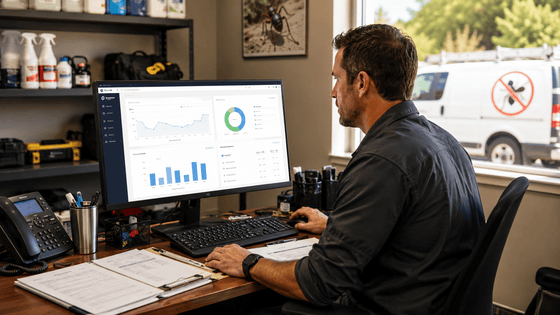
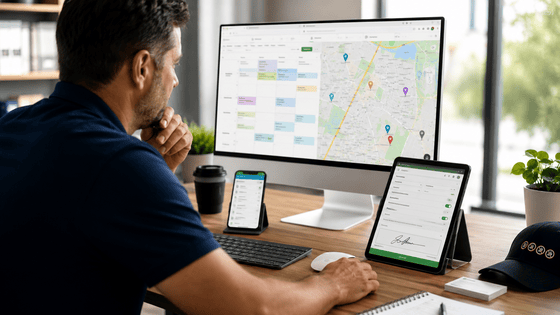
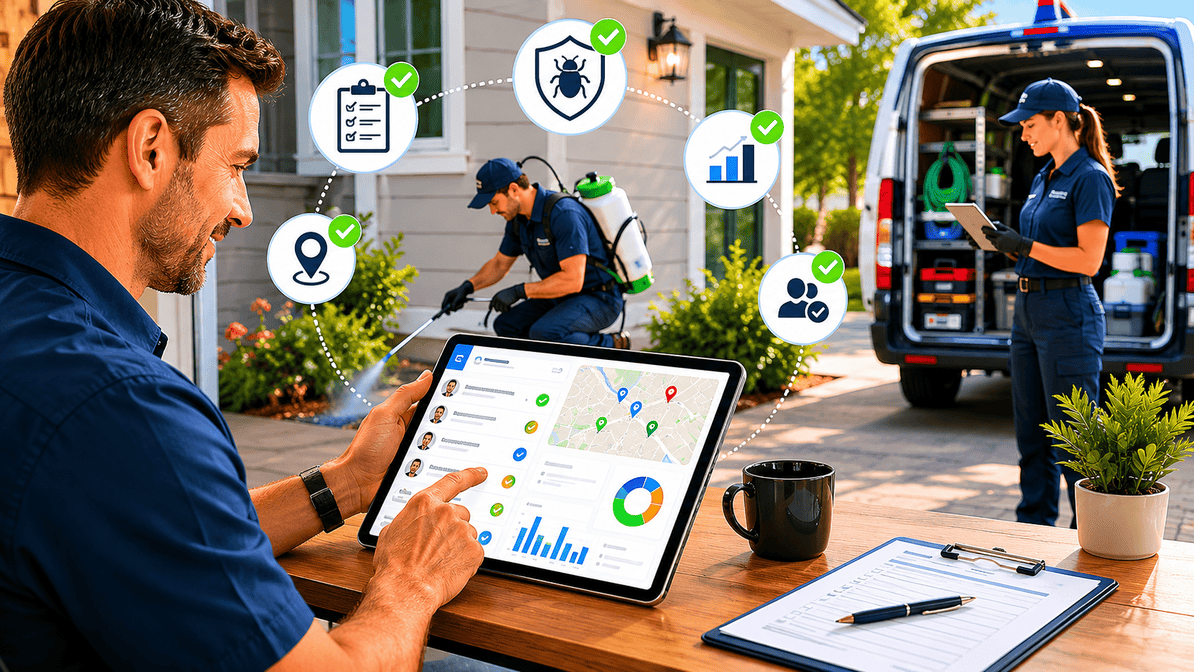
Using digital workflows through platforms like Pest Management App allows managers to see job progress, technician activity, and compliance records in real time without constantly contacting staff.
That creates a major shift in workplace culture.
Instead of asking:
“Where are you?”
“Did you complete the treatment?”
“Did you get customer signatures?”
Managers can simply view completed data instantly.
Technicians feel trusted because they are not constantly being chased, while managers still maintain operational visibility.
Accountability Works Best With Autonomy
One mistake many businesses make is focusing only on control.
The best technicians want ownership, not constant instruction.
A strong accountability framework gives employees the freedom to make decisions within clear operational boundaries.
Think about it like a GPS.
A GPS provides the destination and route guidance, but the driver still controls the vehicle.
Good accountability systems work the same way.
Technicians should know:
- What needs to be completed?
- What standards are expected?
- What documentation is required?
- How is performance measured?
Beyond that, they should have room to apply their experience and professional judgement.
This balance improves morale while still protecting business standards.
Use Data for Coaching, Not Punishment
Data becomes dangerous when employees feel it is only used against them.
If every report review turns into criticism, technicians will resist the system entirely.
Frame reporting tools as coaching opportunities and involve technicians in setting expectations to reduce resistance and promote acceptance of accountability systems.
For example:
- A technician struggling with completion times may need help with route optimisation.
- Repeat callbacks may indicate that additional training is needed.
- Incomplete inspection photos may reveal unclear expectations.
When accountability conversations become collaborative rather than confrontational, technicians are far more likely to improve.
That culture shift matters enormously in field service businesses where retention is critical.
Recognition Is Part of Accountability
Accountability should not only highlight mistakes.
It should also recognise consistency and strong performance.
Top-performing pest control businesses often use digital reporting systems to identify:
- Fast response times.
- Excellent customer feedback.
- Perfect compliance records.
- High first-visit resolution rates.
Celebrating these wins reinforces positive behaviour across the team.
Even simple recognition can dramatically improve morale and engagement.
How Digital Systems Reduce Management Stress
Many pest control business owners spend too much time on paperwork instead of focusing on growth.
Digital accountability systems simplify operations by automating:
- Job documentation;
- Compliance tracking;
- Technician scheduling;
- GPS verification;
- Customer sign-offs;
- Photo capture; and
- Reporting workflows.
Platforms like Pest Management App help create structured accountability without adding administrative pressure.
Instead of manually micromanaging technicians, business owners can rely on real-time operational visibility and automated workflows.
That saves time, improves consistency, and creates a more professional customer experience.
Ready to Improve Technician Accountability?
Creating accountability without damaging morale is entirely possible.
The goal is not to watch every move your technicians make. The goal is to create systems that support consistency, visibility, and ownership.
When pest control businesses combine:
- Clear expectations;
- Standardised workflows;
- Real-time reporting;
- Fair performance tracking; and
- Coaching-focused leadership.
They create teams that are both accountable and motivated.
That balance is where long-term operational growth happens.
If you want better visibility, stronger compliance, and easier performance tracking without micromanaging your team, Pest Management App can help.
Streamline reporting, automate workflows, and give your technicians the tools they need to succeed.