What Happens When Your Software Doesn’t Talk to Itself
Disconnected pest control systems create costly delays, compliance risks, and admin headaches. Learn how integrated software improves operations.
The Risks of Disconnected Pest Control Systems
Running a pest control business already involves enough moving parts. Technicians are out in the field, office staff are juggling schedules, customers expect fast updates, and compliance paperwork never seems to stop growing. When your software systems do not communicate properly, those daily tasks quickly become harder than they need to be.
Many pest control businesses still rely on separate tools for scheduling, invoicing, reporting, customer management, and compliance documentation. Disconnected systems hinder growth, increase risk, and waste valuable time, limiting your business potential.
If your team is constantly re-entering information, chasing down paperwork, or correcting avoidable mistakes, your software may be working against you rather than supporting your business.
Why Disconnected Pest Control Systems Create Problems
Think of your pest control operation like a treatment plan. Every part needs to work together for the result to be effective. If one area fails, the problem spreads.
The same applies to your software.
When scheduling software does not connect with technician reporting, or invoicing systems do not sync with completed jobs, information becomes fragmented. Staff spend more time searching for answers than taking action.
Common signs of disconnected systems include:
- Double handling of data;
- Missed or duplicated bookings;
- Delayed invoicing;
- Incomplete compliance records;
- Technicians using outdated customer information;
- Poor communication between office staff and field workers; and
- Difficulty tracking job progress in real time.
These issues may seem minor individually, but over time, they create significant operational risk.
The Hidden Cost of Manual Workarounds
Many pest control businesses develop manual processes to compensate for poor software integration. Staff export spreadsheets, send screenshots, make phone calls to confirm updates, or manually transfer information between systems.
While these workarounds keep operations moving temporarily, they also create opportunities for mistakes.
Imagine a technician completes a termite inspection and uploads notes into one system, but the customer invoice is generated from another platform that does not automatically update. The office may accidentally bill the wrong amount, delay invoicing, or miss the job entirely.
Now multiply that by dozens of jobs every week.
Manual processes slow your team down and increase labour costs without improving service quality.
Compliance Risks Become Harder to Manage
The pest control industry operates under strict regulatory and documentation requirements. Treatment records, chemical usage logs, safety reports, and customer documentation all need to be accurate and accessible.
Disconnected pest control systems make compliance management far more difficult.
Missing or Incomplete Records
When information is stored across multiple platforms, it becomes harder to maintain complete audit trails. Technicians may forget to upload forms, office staff may not receive updates, or documents may end up stored in the wrong location.
This can create serious issues during audits, inspections, or customer disputes.
Delayed Reporting
Many pest control businesses still rely on paper forms or disconnected mobile apps that require manual syncing later. This delay can lead to missing information, incomplete reports, and slower customer response times.
Increased Human Error
The more times information is manually entered, the greater the risk of mistakes. Incorrect chemical records, missed service details, or outdated customer data can expose businesses to compliance issues and reputational damage.
Poor Customer Experience Starts Behind the Scenes
Customers may never see your internal systems, but they absolutely feel their effects.
A disconnected workflow often results in:
- Missed appointment reminders;
- Delayed reports;
- Slow invoice processing;
- Incorrect job information; and
- Repeated requests for the same customer details.
For example, a commercial client managing multiple sites expects accurate service records and prompt communication. If your systems cannot provide a clear overview of completed treatments or upcoming visits, confidence in your business quickly drops.
Today’s customers expect fast, professional service. Businesses relying on disconnected software often struggle to consistently meet those expectations.
Field Teams Need Real-Time Information
Pest control technicians spend most of their day on the road or on-site. They need access to accurate information without constantly having to call the office.
Disconnected systems create unnecessary friction for field teams.
A technician arriving on-site with outdated service notes or incomplete customer history wastes time and risks delivering inconsistent service. If photos, treatment records, or follow-up recommendations are stored separately, technicians may need to duplicate work or return later to complete reporting.
Integrated mobile-friendly systems allow technicians to:
- Access job details instantly.
- Complete digital forms onsite.
- Capture photos and signatures.
- Update treatment records in real time.
- Sync information automatically with the office staff.
This improves productivity while reducing admin pressure across the entire business.
The Business Impact of Software Integration
Effective software integration is not just about convenience. It directly affects profitability, scalability, and operational efficiency.
When systems work together, pest control businesses gain:
Faster Administrative Processes
Integrated systems reduce double handling and automate repetitive tasks. Scheduling, reporting, invoicing, and customer communication can flow together automatically.
Better Visibility Across Operations
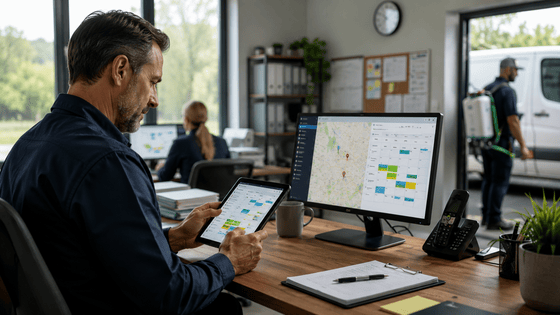
Business owners and managers can track jobs, technician performance, outstanding invoices, and compliance records from a single platform.
Improved Cash Flow
Faster invoicing and automated job completion updates help businesses get paid sooner.
Reduced Operational Risk
Centralised information reduces errors, improves record accuracy, and strengthens compliance processes.
Greater Scalability
As your business grows, disconnected systems become harder to manage. Integrated platforms support growth without adding unnecessary complexity.
How Formitize Helps Connect Pest Control Operations
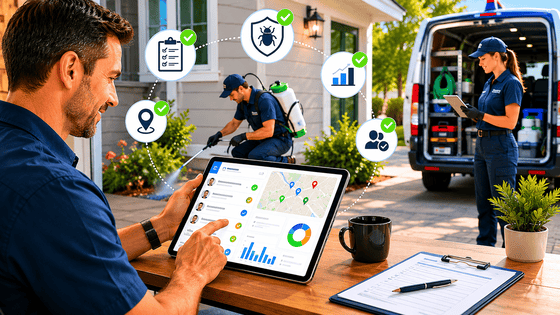
Formitize Pest Management Software helps pest control businesses replace disconnected workflows with one integrated platform designed for field operations.
Instead of managing multiple systems separately, businesses can centralise:
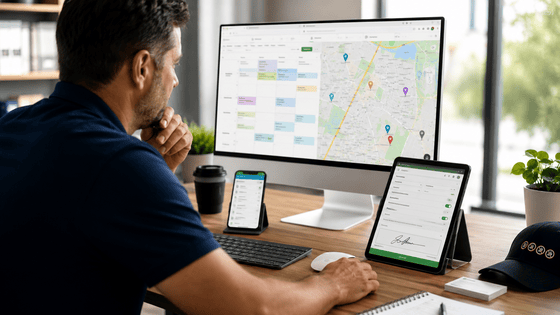
- Scheduling and dispatch.
- Digital job forms.
- Compliance reporting.
- Customer management.
- Quotes and invoicing.
- Technician mobile access.
- Photo capture and signatures.
- Workflow automation.
With connected systems, office teams and field technicians stay aligned in real time. Information updates automatically across the platform, reducing delays, improving accuracy, and simplifying day-to-day operations.
For pest control business owners, this means less time spent managing admin problems and more time focused on growth, service quality, and customer relationships.
Signs It May Be Time to Upgrade Your Systems
If any of these sound familiar, your current setup may be holding your business back:
- Staff repeatedly enter the same information.
- Technicians rely on paper forms.
- Reports are regularly delayed.
- Scheduling mistakes happen often.
- Compliance paperwork is difficult to track.
- Office staff spend hours chasing updates.
- Customers complain about communication delays.
- You use multiple systems that do not sync properly.
Disconnected software may seem manageable in the short term, but the long-term impact on productivity and profitability can be significant.
Start Streamlining Your Pest Control Business
Pest control businesses operate in a fast-moving environment where efficiency, compliance, and communication matter every day. When your systems do not work together, small inefficiencies quickly become larger operational problems.
Integrated pest control systems help businesses streamline workflows, reduce operational risk, improve customer service, and support long-term growth.
The right software should simplify your operations, not complicate them.
If your team is spending too much time dealing with disconnected systems, now is the time to modernise your workflow.
Ready to simplify your pest control operations?
Start using integrated software designed specifically for field service businesses.