How to Reduce Callbacks With Better Job Documentation
Reduce pest control callbacks by improving job documentation, quality control, and real-time field data with digital pest management software.
Using Job Data to Cut Rework and Callbacks
Callbacks are one of the fastest ways to lose profit in a pest control business.
A technician finishes a treatment, the customer seems satisfied, and then two days later, the office phone rings. The pests are still active, the client is frustrated, and now you’re paying for an additional site visit that wasn't part of the schedule.
For many pest control business owners, callbacks feel unavoidable. But in reality, most repeat visits are driven by a single issue: poor job documentation.
When technicians capture complete treatment data, photos, site conditions, customer notes, or proof of work, they feel trusted and responsible, leading to greater accountability, stronger quality control, and fewer callbacks.
Here’s how using smarter job data can help pest control businesses reduce repeat visits and improve operational performance.
Why Pest Control Callbacks Happen
Not every callback is caused by a technician error. Pest activity can persist for legitimate reasons, especially in severe infestations or high-risk environments.
However, many callbacks are preventable.
Common causes include:
- Incomplete treatment records;
- Missed treatment areas;
- Incorrect chemical usage;
- Lack of follow-up instructions;
- Poor communication between office staff and field technicians;
- Missing photos or evidence;
- Inconsistent inspection procedures; and
- No verification of completed work.
Think about a technician servicing a commercial kitchen. If they fail to document bait placements, sanitation risks, or entry points, the next technician may walk into the job with no context. Important details get missed, treatment quality drops, and the customer notices.
Without accurate job documentation, quality control becomes guesswork.
The Link Between Job Documentation and Quality Control
Good documentation is not just about paperwork. It is a frontline quality control system.
The best pest control companies treat documentation as part of the service itself, not an afterthought completed at the end of the day.
When technicians record detailed job information consistently, business owners gain visibility into:
- What treatments were performed?
- Which products were used?
- Were compliance requirements followed?
- What issues were identified on-site?
- Did the customer receive recommendations?
- How are technicians performing in the field?
This level of visibility helps managers identify patterns before they become costly problems.
For example, if multiple pest control callbacks are linked to one technician or service type, managers can quickly review job records, photos, timestamps, and treatment notes to identify training gaps or process failures, demonstrating how digital documentation supports ongoing technician development and operational consistency.
Without proper documentation, these insights simply do not exist.
How Digital Job Documentation Reduces Rework
Paper forms and handwritten notes often create more problems than they solve.
Technicians forget details, paperwork gets lost, and office staff waste time chasing incomplete records. In fast-moving pest control operations, this creates major communication gaps.
Digital job management systems help eliminate those gaps by standardising how field information is collected, and many platforms offer user-friendly interfaces that simplify adoption, making the switch manageable even for teams new to digital tools.
1. Standardised Inspection Checklists
One of the biggest causes of inconsistent service is poor inspection practices.
Digital forms allow pest control businesses to create structured inspection workflows that technicians must complete before closing a job.
This ensures technicians consistently capture:
- Pest activity levels;
- Entry points;
- Treatment locations;
- Environmental conditions;
- Risk areas;
- Customer concerns; and
- Follow-up recommendations.
Instead of relying on memory or handwritten notes, every technician follows the same documented process.
That consistency directly improves quality control.
2. Photo Evidence Improves Accountability
Photos are one of the most powerful tools for reducing callbacks.
Before-and-after images help prove:
- Treatments were completed.
- Access areas were inspected.
- Bait stations were serviced.
- Sanitation issues existed before treatment.
- Structural risks were identified.
Imagine a customer claims a technician missed an inspection area. By attaching timestamped job photos to the service report, your office can quickly verify completed work.
That protects both your technicians and your business reputation.
3. Real-Time Job Data Helps Managers Intervene Faster
In many pest control businesses, managers only discover issues after a callback occurs.
By then, the cost has already been absorbed.
Real-time job data changes that.
With digital reporting tools, office teams can review completed jobs immediately, flag missing information, and identify incomplete records before the technician leaves the site.
This proactive approach prevents small documentation gaps from turning into customer complaints.
Better Documentation Creates Better Customer Communication
Many callbacks are not actually treatment failures. They are communication failures.
Customers often expect instant results, especially with cockroach, rodent, or termite treatments. If technicians fail to explain realistic timelines or preparation requirements, customers may assume the treatment failed prematurely.
Strong job documentation helps solve this problem by automatically generating professional service reports that include:
- Treatment details;
- Products used;
- Safety information;
- Follow-up recommendations;
- Customer responsibilities; and
- Photos and inspection findings.
This creates transparency and sets clearer expectations.
It also gives customers confidence that your business operates professionally and systematically.
Compliance Matters in Pest Control
Pest control businesses operate in a highly regulated industry. Missing treatment records or incomplete chemical documentation can create serious compliance risks.
Accurate job records support:
- Chemical usage tracking.
- Safety compliance.
- Audit readiness.
- Technician accountability.
- Customer dispute resolution.
- Insurance protection.
Digital documentation platforms reduce the risk of missing or incomplete records by requiring mandatory fields, digital signatures, and standardised workflows, all of which are secured with industry-standard encryption to ensure compliance and protect sensitive information.
For growing pest control businesses, this becomes increasingly important as teams expand and more technicians enter the field.
How Formitize Helps Reduce Pest Control Callbacks
Formitize Pest Management Software helps pest control businesses improve field accountability, streamline reporting, and reduce costly repeat visits through smarter job documentation.
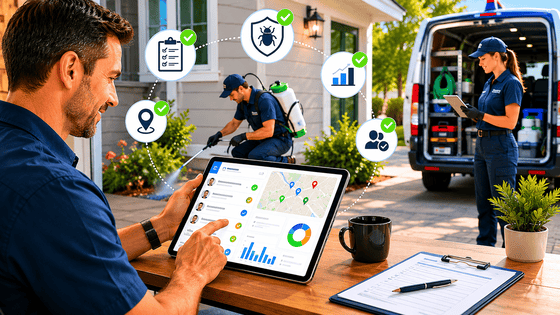
Using digital forms, mobile checklists, automated reporting, and real-time job tracking, pest control teams can:
- Capture complete service records onsite.
- Standardise inspections across technicians.
- Attach photos and customer signatures.
- Track chemical usage and compliance.
- Generate professional reports instantly.
- Improve communication between office and field teams.
- Identify quality control issues earlier.
Instead of relying on paperwork and fragmented communication, businesses gain a centralised system for managing service quality from start to finish.
The result is fewer callbacks, better customer satisfaction, and more profitable operations.
Small Documentation Improvements Deliver Big Results
Reducing callbacks does not always require major operational changes.
Sometimes the biggest improvement comes from simply documenting jobs better.
When technicians consistently capture accurate field data, pest control businesses gain stronger visibility, better accountability, improved compliance, and more reliable service outcomes.
Over time, those improvements compound into:
- Fewer repeat visits;
- Lower labour costs;
- Stronger customer trust;
- Better technician performance; and
- Increased profitability.
In an industry where margins can disappear quickly, better job documentation becomes a competitive advantage.
Start Reducing Callbacks Today
If your pest control business is struggling with repeat visits, inconsistent reporting, or quality control issues, smarter job documentation can make a major difference.
Start a Free Trial and see how digital job data can help your team reduce callbacks, improve compliance, and deliver more consistent service quality.